Pain in an emergency situation setup gets here with untidy context. It shows up entraped under dashboard plastic, in a rugby shoulder fifty percent out of its outlet, in a dialysis client with a hip fracture on blood thinners, or in an overwhelmed senior who can not find the best words. The distinction between a disorderly scene and a regulated handover frequently boils down to two things: just how well you can examine pain, and just how deftly you can manage it without making the patient even worse. PUAEME008, frequently known as Provide Pain Administration, exists for that specific reason. It distills core emergency situation pain monitoring abilities right into a concentrated, functional framework that applies across paramedicine, very first response, nursing outreach, and allied wellness in area environments.
I have actually educated and used this web content in contexts that varied from city roadway injury to remote mine websites. What complies with is a grounded, specialist's summary of PUAEME008 give discomfort management, with sufficient detail to help you evaluate whether a discomfort management program or pain administration qualification course based upon this unit is best for you or your team.
What PUAEME008 in fact covers
At its heart, the system builds skills in three domains: safe analysis, efficient analgesia selection and distribution, and continuous review with documents. Unlike broader pain monitoring courses that dive deep right into chronic discomfort concept or https://squareblogs.net/carinewwtt/provide-discomfort-monitoring-puaeme008-skills-for-real-world-care multispecialty paths, this is emergency situation pain monitoring. The focus sits directly on rapid analysis, fast-acting treatments, and attentive monitoring.
Most companies deliver PUAEME008 as a short program hurting management that runs 6 to 10 hours of in person time plus pre-reading, with hands-on technique threaded via situation situations. The entry bar differs a little by jurisdiction and company, however prospects are commonly existing initial -responders, firemans, lifesavers, or health workers with some scientific exposure. The certification course in pain management at this level is not a replacement for paramedic training nor a permit for independent numbing administration. It outfits you to add to much better analgesic care within your extent, and to function securely under regional protocols.
Common capabilities analyzed under PUAEME008 offer pain monitoring include: carrying out discomfort assessments using standard devices, acknowledging red flags that necessitate urgent rise, choosing non-pharmacological strategies, and providing allowed pharmacological agents under instructions or protocol. It also includes post-intervention evaluation, adverse effects monitoring, and clear handover.
The actual worth of structured assessment
When a client winces and grabs their ribs, it's tempting to go directly for the gas or the IV. Withstand that impulse. An organized evaluation typically conserves time and protects against mistakes. In method, I anchor my strategy on an easy triad: mechanism, pattern, risk.
Mechanism maintains you sincere regarding what forces were entailed. A low-speed autumn onto an outstretched hand can still trigger a scaphoid fracture with deceptively refined indications. A rollover crash recommends multi-system trauma till tested or else. Pattern asks just how discomfort acts gradually and with motion. Is it sharp, throbbing, shedding? Does it radiate? Is there disproportionate discomfort to light touch that means area disorder? Threat focuses on the client's physiology and context: anticoagulants, kidney disease, breathing concession, previous analgesic allergies, intoxication, or language barriers.
I still use the 0 to 10 numerical score range because it works across ages and societies much better than any kind of option. For nonverbal individuals, the Faces Discomfort Scale or empirical devices like the FLACC (face, legs, task, cry, consolability) rack up help transform habits right into a practical step. What issues is not the solitary score, but the pattern and connection with your interventions.
Small information pay returns. Ask, "What would certainly be an acceptable discomfort degree for you today?" Numerous people will state three or four. That becomes your real target, not an academic zero. Clarify what they have currently taken, consisting of non-prescription meds, so you don't stack dosages accidentally. Document the time, dose, route, and person reaction in a manner that transfers easily to the obtaining team.
Non-pharmacological measures that really work
People discount rate non-drug methods due to the fact that they seem soft. Done well, they are fast and powerful, and they reduce the quantity of medicine needed. I have viewed a fracture individual go from a pain score of 8 to five within two minutes simply by enhancing splinting and using training strategies for inhaled analgesia.
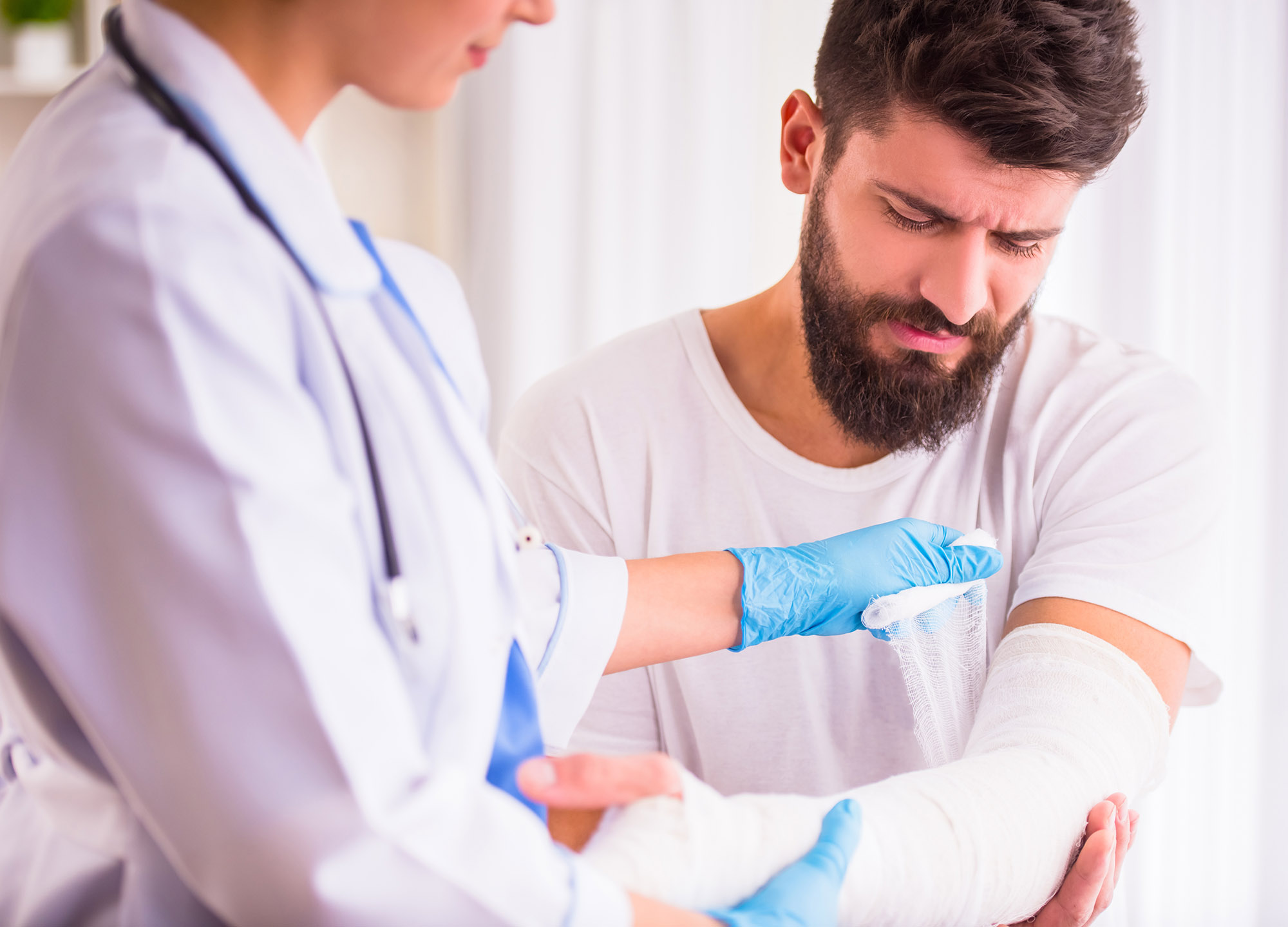
- Rapid positioning and immobilization: Reposition to comfort early, not after you've set up all the equipment. Splint joints over and below a presumed crack. For shoulder misplacements, a straightforward sling and swathe minimizes muscle spasm and secures neurovascular structures. Ice or warm: In the area, ice is a lot more offered and dependable. Cover it to stay clear of skin injury. Ten to fifteen mins buys time and aids with swelling. Pressure and altitude: Venous mud reacts to stress. A sprained ankle joint responds to mild compression and elevation if it does not intensify pain. Guided breathing and training: When making use of inhaled analgesia, do not just hand the gadget to the individual. Show, then coach a stable tempo of breaths. People who hyperventilate via discomfort waste the benefit, so keep them paced and engaged. Environmental control: Lower intense lights and noise. Offer the person a feeling of control by describing what you're doing following. That alone decreases anxiety-driven pain amplification.
These strategies are core to emergency situation discomfort administration since they are safe across a variety of conditions and can be launched quickly, also while pharmacology is being prepared.
Pharmacological choices within scope
Medication choices in PUAEME008-aligned pain management training differ by local methods, yet usually include clear support on three classes: inhaled anesthetics, oral non-opioids, and, in some solutions, parenteral alternatives under direction.
Inhaled methoxyflurane stays a preferred in Australian pre-hospital look after modest acute pain. The onset is quick, the device is portable, and the titration is patient-driven. It is not for everyone, especially if there are contraindications like kidney impairment or hypersensitivity, and you have to appreciate optimum dosage limits. Mentoring method establishes efficacy greater than many realize. If the client takes superficial, irregular smokes, they will certainly report "it's not functioning." A calm, constant inhale with the exhaust appropriately fed on gives regular relief.
Oral anesthetics such as paracetamol and NSAIDs are commonly secure and effective when the person tolerates oral consumption and there are no red flags like presumed GI bleeding or kidney compromise. The catch is dose piling since people self-medicate before you show up. Confirm timing and quantities. For a lengthy transfer, early dental representatives can smooth the experience, while you layer other methods on top.
Opioids demand respect. In some setups, the system of expertise enables administration under professional administration, standing orders, or direct direction. The discussions around opioids occasionally outweigh their reputable function in injury and severe acute pain. The compromises are uncomplicated: utilize the most affordable efficient dose, view the respiratory system rate and psychological status, and treat queasiness proactively when ideal. Naloxone must not be an academic idea; be pain management in emergency situations proficient in its usage. If you do not have consent for opioids, concentrate on optimizing what you can do, and rise early to teams who can bring them.
Adjuncts like ketamine sit in innovative procedures instead of standard PUAEME008, yet you need to understand their place. Dissociative analgesia helps in caught patient extrication or major fracture decrease when opioids alone fail, with a security profile that preserves air passage reflexes oftentimes. This is not an informal add-on. It calls for training, surveillance, and a group comfortable with the psychoperceptual effects that can unsettle both client and provider.
Safety, contraindications, and the art of stating no
One of the hardest abilities to educate is not what to provide, however when to hold back. Pain alleviation need to never cover the analysis image in time-critical conditions, and some techniques simply enhance risk.
Examples that demand caution or choices:
- Abdominal pain with peritonism: gentle titration is fine, however prevent deep sedation that can mask damage prior to medical review. Head injuries with altered level of consciousness: focus on airway and perfusion. Sedation can cloud neurologic analysis, so titrate moderately and record baseline GCS with succeeding changes. Hypotension or shock: opioids can drop the high blood pressure further. Stabilize perfusion initially. Think about inhaled choices or non-pharmacological procedures while addressing the cause. Late pregnancy: check medicine safety for both mommy and unborn child. Setting left lateral to decrease aortocaval compression. Renal or hepatic illness: dosages and choices change. NSAIDs typically relocate off the table in kidney concession. Methoxyflurane is contraindicated for those with well-known kidney impairment in several protocols.
Saying no is simpler when you can say yes to another thing. Deal ice, immobilization, peace of mind, and time-limited inhaled analgesia while you intensify care or look for medical direction.
Documentation that aids the next clinician
A good handover is a treatment treatment in its very own right. The obtaining group's capacity to continue risk-free analgesia rests on what you share. I use a mental theme: what hurt, how much, what altered, what we offered, what occurred next.
Include system, pain rating pattern, pertinent comorbidities, allergies, and exact medication details with time marks. If a person records negative effects such as nausea or vomiting or wooziness, consist of that. When non-pharmacological measures assist, state so, because it establishes the expectation for proceeded use in the ED.
Clear documents is important for any kind of pain administration certification, both as an evaluation demand and as a specialist practice. It shields the individual initially, and it safeguards you.
Communication and authorization under pressure
Emergency scenes are noisy, disorderly, and typically public. Pain magnifies anxiety, and concern can either escalate or clear up relying on your interaction design. Begin by calling what you see. "I can see your ankle joint is swollen and that motion actually harms. I'm going to aid you get even more comfy." After that discuss the strategy in other words, concrete actions. Offer choices when feasible. "We can use a quick breathed in discomfort alleviation currently while we prepare a splint. Would certainly you such as to attempt that?" Clients who really feel a feeling of agency typically require much less medication and cooperate even more totally with immobilization and transfer.
Informed permission in the area indicates simple language and comprehension checks. If the patient is not qualified, job under indicated permission within your protocols and document the rationale. For youngsters, involve caregivers while keeping key focus on the child's convenience and safety and security. For non-English audio speakers, make use of interpreter solutions if readily available by phone, or lean on aesthetic presentations and tranquil pacing.
Scenarios that evaluate judgment
The value of discomfort management training programs becomes evident in edge situations. A couple of that recur in analyses and real life:
- The caught motorist with pelvic pain and dropping blood pressure. Your ideal analgesic may be a pelvic binder applied early, with mindful titration of inhaled or IV representatives while you minimize movement. If ketamine is within your range, it can support extrication without deep respiratory system clinical depression. Over-sedation in a constrained room transforms a rescue right into a respiratory tract emergency. The elderly individual with a neck of femur crack that is difficult of hearing and scared. Gentle description, warm coverings, a scoop with cushioning, and breathed in analgesia often outperform rushing for an IV in a cramped bedroom. If you have fascia iliaca block ability through an innovative pathway, the alleviation can be transformative, yet it sits past the typical PUAEME008 scope. The rugby gamer with a shoulder dislocation and vasovagal propensity. Establish them semi-recumbent, coach their breathing, offer inhaled analgesia, and incapacitate. If relocation isn't in your extent, don't try to be a hero on the sideline. Excellent pain control and safe transfer beat a risky attempt. The known opioid-tolerant person with a serious limb injury. Typical doses may do little. Pile methods: ice, splinting, inhaled analgesia, and, if accredited, higher yet thoroughly titrated opioid dosing with close tracking. Set assumptions that complete relief may not be feasible, but significant reduction is. The kid with a forearm crack. Kids respond magnificently to excellent splinting, diversion, and inhaled analgesia. Allow them experiment the tool. Welcome a caretaker to rest at eye degree and mirror the breathing pattern.
These situations disclose the core truth: method knowledge issues, therefore does judgment. PUAEME008 trains both, making use of simulation and comments as opposed to rote checklists alone.
Monitoring and reassessment: catching problems early
Analgesia does not end with administration. Efficient emergency discomfort monitoring means you expect both therapeutic effect and adverse effects. Track breathing price, oxygen saturation if available, degree of consciousness, and pain score at practical periods. Utilize your eyes and ears. An individual whose sentences shorten in between breaths is refraining penalty, also if the monitor looks stable.
Nausea is common after opioids and often after breathed in agents. Treat early when protocols allow, supply emesis bags, and safeguard the air passage. It is much better to give an antiemetic than to remove a mask mid-transport to manage sudden vomiting.
Over-sedation calls for swift, definitive activity. Promote, sustain air flow with air passage complements and bag-mask if required, and think about reversal representatives when in scope. Paper the sequence clearly. Avoid the trap of chasing after drowsiness with repeated turnarounds that precipitate serious discomfort and frustration unless airway security requires it. Aim for a secure happy medium where the client is arousable and breathing well.
Competency, accreditation, and where this fits in your career
For many service providers, PUAEME008 is a tipping rock as opposed to a destination. As a discomfort administration certificate training course, it accredits practical ability at the sharp end of treatment. It sets perfectly with innovative injury care components or with professional pain management programs for registered nurses and discomfort administration programs for physiotherapists that run in acute settings like ED triage, outreach facilities, or sideline and event medicine.
If you are going after a discomfort administration certification in a broader feeling, recognize the landscape. There are pain administration training programs that concentrate on persistent and multidisciplinary treatment, integrating psychology, rehab, and interventional procedures. Others, like PUAEME008 offer discomfort management, laser know frontline, short, scalable skills. Both have value, yet they serve different issues. A clinician who routinely manages frailty fractures in a neighborhood health center may benefit from both: emergency situation discomfort abilities for the preliminary stage, and persistent pain expertises for the weeks that follow.
For nurses, discomfort management training for nurses improved this unit enhances triage effectiveness, client contentment, and safety with standing orders. For physio therapists, discomfort administration courses for physiotherapists that consist of acute injury assessment and non-pharmacological techniques complement manual therapy abilities and improve sideline and center decisions. Companies typically appreciate the mobility of a pain monitoring certification program that aligns with acknowledged expertises, especially when onboarding blended teams for events or remote postings.
Training style and what to look for in a provider
Not all pain monitoring training is created equivalent. Look for a program that highlights hands-on experiment realistic scenarios. You must leave with muscular tissue memory around breathed in device arrangement, splinting, secure training and positioning, and the choreography of offering discomfort alleviation while handling scene logistics. Simulated people who can offer responses on interaction include worth, due to the fact that tone and pacing modification outcomes.
Quality service providers update content as protocols evolve. Ask exactly how they take care of scope differences between regions, and whether they supply pathway-specific alternatives. Try to find organized assessment that consists of created expertise checks and observed practicals. A great program balances the list with mentoring and judgment. If the class is mainly slides regarding pain concept without device handling, you will certainly not prepare when it is dark, raining, and your person is wedged under a fence.
For those time-poor and stabilizing rosters, short programs hurting administration that mix pre-course eLearning with a concentrated in-person laboratory are efficient. Confirm that the discomfort administration certificate straightens with your service needs and that the providing body is identified for compliance and audit purposes.

Legal, moral, and cultural considerations
Pain is global, however our actions to it are not. Cultural norms shape just how people express discomfort and what they anticipate from treatment. Some under-report pain to show up patient. Others utilize dazzling expressions that review as distress however mirror cultural expression. Listen greater than you speak, and prevent labeling individuals as "medicine seeking" in intense contexts based on expression alone. Your documents should be valid: observed actions, reported discomfort, treatments, and response.
Legally, practice within your scope and your solution's medical governance. Store and throw away abused substances according to policy. Tape batch numbers and waste where needed. If standing orders need alert to a medical policeman, do it and log the moment. These are not bureaucratic challenges. They are safeguards that keep you and your individuals safe.
Ethically, make the client comfy while shielding future diagnostic quality. We can alleviate experiencing without masking the signs we require. The more accurate your paperwork and review, the easier this equilibrium becomes.
Building a personal toolkit
Every carrier develops a small collection of habits and tools that make discomfort administration smoother. Mine consists of pre-charged inhaled analgesia packages, two dimensions of slings readily accessible, soft padding for splints, extra emesis bags clipped where I can reach them with one hand, and a mental script for training breathing that I can provide even when the scene is noisy. I practice the manuscript up until it is automated. "I'm going to help you take slow, deep breaths using this mouth piece. Breathe in as I count to 3, hold for a moment, then out. Allow's do 3 with each other." It sounds easy, yet it keeps me and the client in sync.
I also keep a firm routine of inspecting the moment prior to and after each intervention and saying it out loud for the record. "Methoxyflurane started at 14:36." The practice develops better notes and tighter care.
Where PUAEME008 beings in the larger picture
If you zoom out, pain monitoring training is not concerning chasing scores down to zero. It has to do with function, safety and security, and dignity. An individual that can tolerate a step from flooring to cot without gasping or protecting is less likely to undercut throughout transfer. A kid who depends on you with the mouthpiece will certainly approve a splint and enable an IV without a battle. An older who recognizes why the space is kept peaceful and dim might settle enough to alleviate muscle mass stress and lower demand for sedation.
PUAEME008 is a concentrated device, yet it punches above its weight since it modifies the pace of care. When you obtain the initial ten minutes right, everything downstream tends to go much better: clearer diagnoses, fewer complications, shorter ED stays. That is why employers typically prioritize a pain monitoring certification in onboarding for event medication groups and remote -responders, and why refresher training yearly or 2 makes good sense even for seasoned clinicians.
Final thoughts for possible learners
If you are considering an offer pain administration training course against other contending demands, look at your regular situation mix and your weak points. Do you hesitate with breathed in devices? Do you fumble splints under stress? Do you record the trend, or simply the dose? A great pain administration course will tighten those web links in your chain. If you plan to move into innovative roles, the certificate offers a tidy foundation for extra permissions and advanced modules.
For groups, train with each other. Discomfort relief functions best when everybody recognizes their function: who instructors breathing, that manages the splint, who documents, and that views the monitor. Practice transfers in confined rooms, in low light, and with substitute devices failings. Those associates settle when the phone call comes and the client is counting on you to bring not just the medicines, however the calm.
Emergency pain management is a craft. PUAEME008 offers you the necessary tools, but craft comes from usage. Pick them up, technique deliberately, and afterwards go make difficult moments easier for the people who fulfill you on negative days.